Around £300 million of prescription medicines goes unused in England every year. That is a Department of Health estimate, and it is widely accepted to be conservative. To put it in context, it is roughly £1 in every £25 spent on medicines in primary care.
What makes it worth talking about is not the size of the number. It is that around half of it is avoidable — and most of the avoidable half comes down to ordering things people already have.
Where the waste actually sits
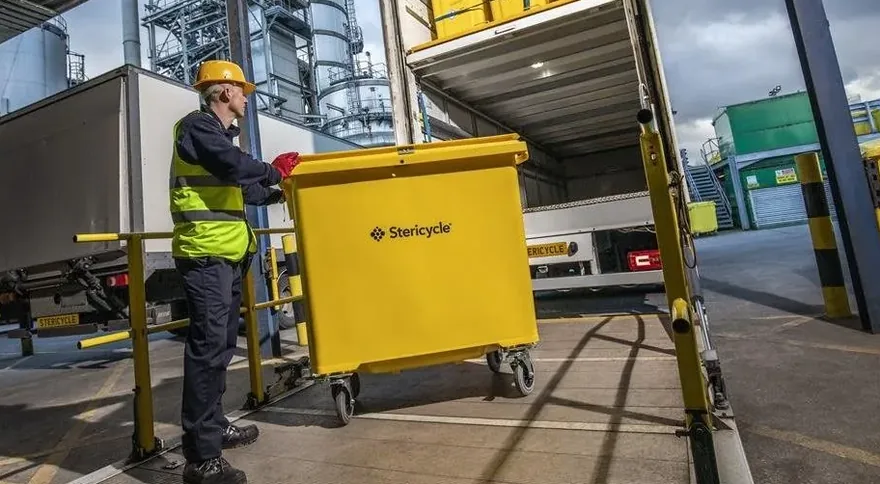
The £300m breaks down roughly like this:
- £110 million returned to community pharmacies over the course of a year
- £90 million sitting unused in people’s homes at any given moment
- £50 million disposed of by care homes
That middle figure is the interesting one. Ninety million pounds of medicine is not lost or destroyed — it is in kitchen drawers and bathroom cabinets across the country, quietly going out of date, while more of the same is ordered every month.
The bit most people don’t know
Once a medicine leaves the pharmacy, it can never be used by anyone else. Not even if the box is still sealed and the seal untouched.
We have no way of knowing how it has been stored — whether it sat on a sunny windowsill or next to a radiator — so we cannot guarantee it is still safe or effective. Everything returned to us is destroyed.
People are often genuinely shocked by this. They bring in three unopened boxes expecting them to go back on the shelf for someone who needs them, and are disappointed to learn they are heading for incineration. It is a good rule to remember when deciding whether to tick a box on a repeat slip: the moment it comes home with you, that money is spent.
Why it happens
Almost never carelessness. In our experience it is usually one of these:
- Ticking every box on the repeat form out of habit, rather than checking what is running low
- A dose or medicine changed at an appointment, but the old one stayed on the repeat list
- Seasonal items — hay fever tablets ordered in December, or a spare inhaler that never gets used
- Stockpiling “just in case”, often after shortages in the news
- A hospital stay, where new medicines are supplied and the old repeat carries on regardless
- Side effects that put someone off a medicine, without anyone being told
Every one of those is fixable in a two-minute conversation. The trouble is the conversation rarely happens, because nobody thinks to start it.
It isn’t only about money
Three other things matter here.
Shortages. When people stockpile, supply tightens for everyone. Anyone who tried to get certain medicines during recent shortages will have felt this.
Safety. A cupboard full of half-finished packets is a genuine risk, particularly where there are several similar-looking boxes, older people managing many medicines, or children in the house.
The environment. Manufacturing and transporting medicines that are never taken carries a real carbon cost, and medicines flushed down toilets or binned end up in waterways.
What actually helps
- Look before you order. Check the cupboard 7–10 days before your prescription is due.
- Only tick what you need. Not ordering an item does not remove it from your repeat list — it will still be there next month.
- Keep about a month spare, no more. That is the NHS recommendation, and it covers bank holidays comfortably.
- Reorder at about two weeks left, rather than as soon as a new pack is opened.
- Open the bag before you leave us. If something is in there you do not need, hand it straight back — at that point it has not left the pharmacy and nothing is wasted.
- Tell someone when a medicine stops. Us, or your surgery. Either is fine.
If we manage your prescriptions
We order on behalf of a lot of patients, which means we are often the ones deciding what goes on the next request. We can only get that right if we know what you already have.
That is why we built a short prescription review form. You tell us what you have plenty of, what you have stopped, and what to pause. Our pharmacist reviews it, and we raise anything with your surgery that needs their approval. Nothing gets stopped without a check.
You can also bring unused or out-of-date medicines into the pharmacy any time for safe disposal, free of charge. We would far rather take them off your hands than have them flushed or binned.
Two minutes, and we stop ordering the things piling up in your cupboard.
Start your prescription review →