People often bring us a bag of unused medicines and ask, hopefully, whether they can go to someone who needs them. It is a generous instinct and the answer is always no — which surprises people, so it is worth explaining properly.
Why returned medicines can’t be reused
Once a medicine leaves the pharmacy, we lose sight of how it has been kept. It might have been perfect. It might have spent a summer on a windowsill, been kept above a radiator, or been decanted into a different box. There is no way to tell by looking.
Most medicines are licensed to be stored below 25°C, and some need refrigerating. Heat, damp and light can all change how well a medicine works — sometimes without any visible sign at all.
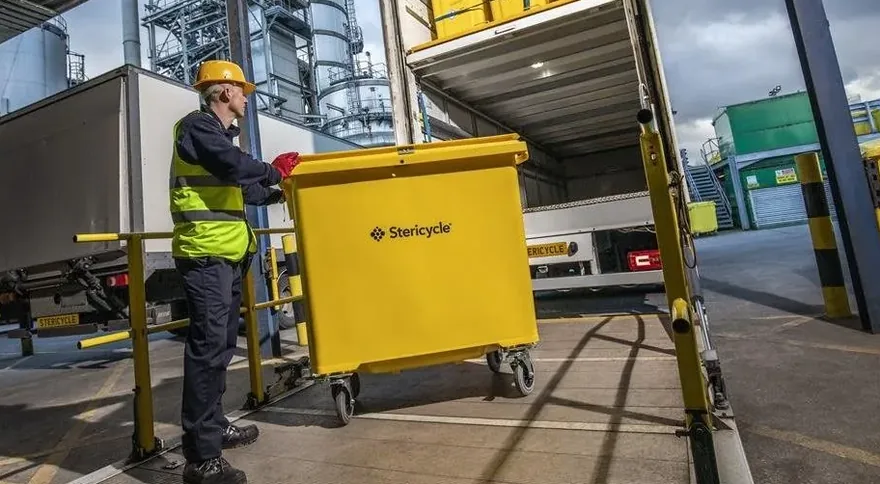
So everything returned is destroyed. Sealed boxes, untouched blister strips, full bottles — all of it. It is incinerated under licence, not landfilled.
That is not waste for the sake of it. It is the only way to be certain that nobody is given a medicine that has been stored badly, tampered with, or is not what the box says.
Please still bring them in
Even though we cannot reuse them, returning unwanted medicines is much better than the alternatives, and it is free.
Never flush medicines down the toilet or sink. Water treatment does not remove most drug compounds, and they end up in rivers and eventually the sea. Antibiotics, hormones and antidepressants in waterways are a measurable and growing problem.
Try not to put them in the household bin either. Landfill leaches, and loose tablets in a bin bag are a real risk to children and animals.
What we’ll take
- Out-of-date or unwanted prescription medicines
- Tablets, capsules, liquids, creams and ointments
- Inhalers — these especially, as the propellants are potent greenhouse gases and need proper disposal
- Medicines belonging to someone who has died
Bring them in their original packaging where you can, so we can see what they are. There is no need to remove tablets from blister strips.
A few things need arranging first — needles and sharps require a proper sharps bin from your surgery or the council, and controlled drugs such as strong painkillers need a witnessed record when returned, so it is worth a quick call before you come.
After a bereavement
If you are clearing a home after someone has died, you can bring us everything at once and we will deal with it — no forms, no questions, no appointment. People often apologise for the amount. Please don’t. It is exactly what we are here for, and it is genuinely one of the more useful things we do.
Better still: don’t end up with them
Disposal is the last resort. It is far better for the item never to be dispensed at all — the money stays in the NHS and nothing needs incinerating.
That means checking before you order, opening your bag before you leave the pharmacy, and telling us when something changes.
If we manage your repeat prescriptions, our prescription review form is the quickest way to bring us up to date.
Two minutes, and we stop ordering the things piling up in your cupboard.
Start your prescription review →